Tree Removal Council Approval

Tree Removal Council Approval

Do I Need Council Approval to Remove a Tree?

Understanding tree removal regulations can be confusing. Here’s what homeowners across the Shoalhaven and Eurobodalla regions should know before removing, pruning or clearing trees on their property.

One of the most common questions we’re asked is whether council approval is required before removing a tree. The answer depends on several factors, including your location, the type of tree and why the work is being carried out. This guide explains what you need to know before getting started.

Every Property is Different

Every Property is Different

Uniqueness

Many homeowners assume that because a tree is growing on their own property, they can remove it whenever they choose.

In reality, local councils often protect certain trees to preserve neighbourhood character, native vegetation, wildlife habitat and environmental values. These protections don’t necessarily apply to every tree, but it’s important to understand that ownership of the land doesn’t always mean unrestricted removal.

Several factors may influence whether approval is required, including:

  • The local council responsible for the property
  • The species of tree
  • The height or trunk diameter
  • Whether the tree is native or introduced
  • Whether the tree forms part of a heritage or environmentally protected area
  • Whether the tree presents an immediate safety risk
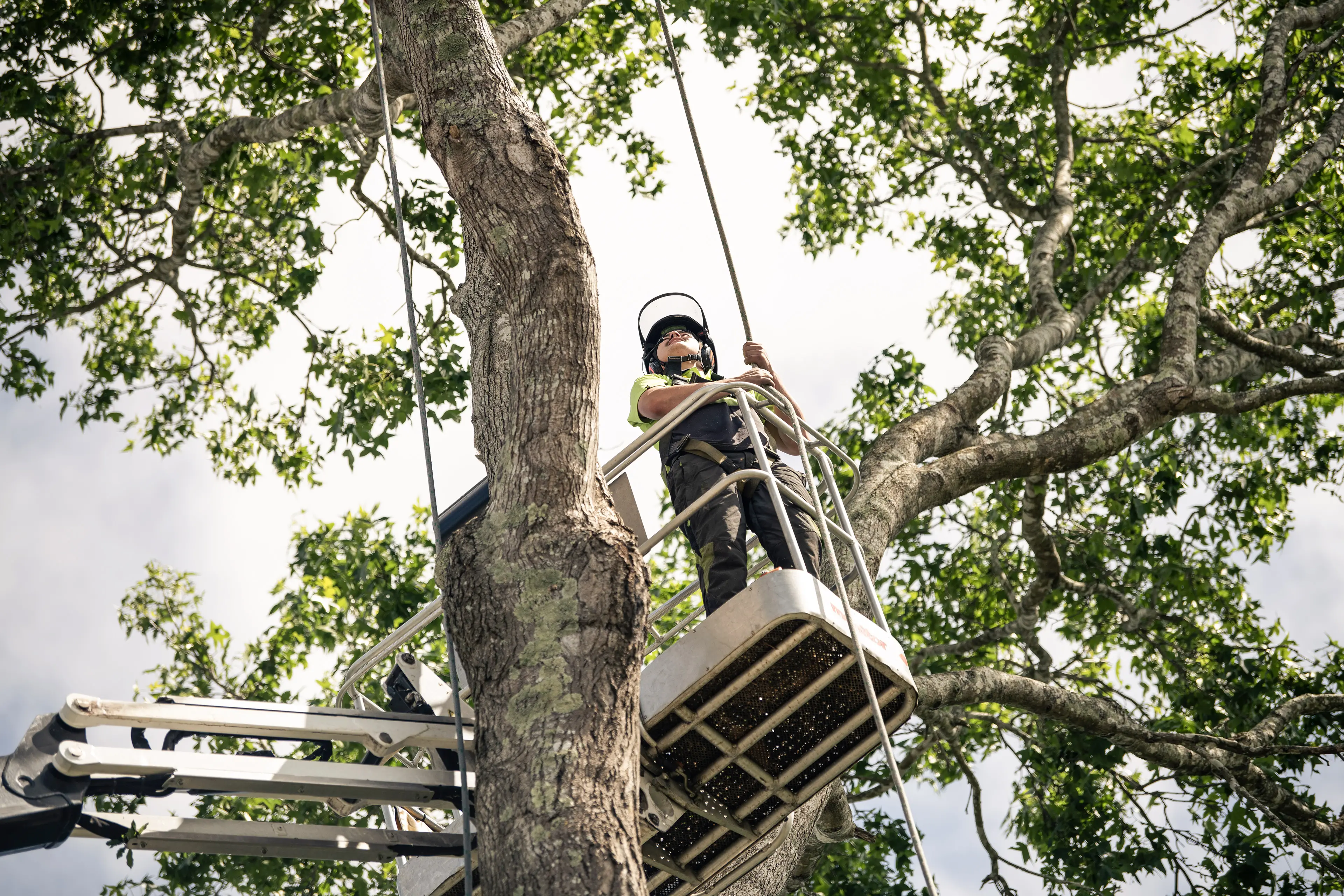
Dangerous Trees Are Often Treated Differently

Misconception

One of the biggest misconceptions is that every tree requires council approval before it can be removed. Trees that are dead, dying, structurally unstable or present an immediate danger to people or property are often treated differently under local regulations. For example, trees that have suffered severe storm damage, significant structural failure or extensive decay may qualify for exemptions in certain circumstances.

However, every situation is unique, and it’s always worth confirming the applicable requirements before work begins. If we’re inspecting a tree that appears unsafe, we can usually explain what options may be available and whether further assessment or documentation is recommended.

Dangerous Trees Are Often Treated Differently

What About Pruning?

Tree pruning is also commonly misunderstood. Many homeowners assume that only tree removal requires approval, but significant pruning can sometimes be subject to similar regulations. Removing large structural limbs, dramatically reducing the canopy, or altering the health or appearance of a protected tree may require approval in some situations. 

Routine maintenance pruning, deadwood removal and minor trimming are often treated differently, but again, the specific circumstances matter. Professional pruning not only helps maintain compliance where required, but also promotes the long-term health and structural integrity of the tree.

The NSW 10/50 Vegetation Clearing Scheme

The NSW 10/50 Vegetation Clearing Scheme

10/50 Eligibility
Some properties located within designated bushfire-prone areas may be eligible to clear vegetation under the NSW 10/50 Vegetation Clearing Scheme. The scheme allows eligible landowners to remove certain trees and vegetation within specified distances of their home without requiring council approval. Eligibility depends on factors such as: 

  • Your property’s location
  • Bushfire zoning
  • Distance from the dwelling
  • Vegetation type

Not every property qualifies, and the scheme has specific rules regarding what can and cannot be cleared. If you believe your property may be eligible, it’s worth checking before arranging any work. (Internal Link: Read our complete guide to the NSW 10/50 Vegetation Clearing Scheme.)

We Regularly Work Throughout the South Coast

Above The Rest Tree Care regularly carries out work throughout the Shoalhaven and Eurobodalla regions. Over the years we’ve worked with homeowners across: Ulladulla, Mollymook,  Milton, Burrill Lake, Narrawallee, Lake Conjola, Manyana, Bendalong, Bawley Point, Kioloa, Batemans Bay, Sussex Inlet, Nowra, and Berry. 

Because local requirements can vary, we’re familiar with the processes commonly encountered across the region and can often point customers in the right direction before work even begins.

Not Sure? Ask Before You Cut

If you’re unsure whether approval is required, don’t guess. Removing a protected tree without the appropriate approvals can lead to unnecessary complications, while delaying work on a genuinely dangerous tree can create avoidable safety risks.

A quick conversation before any work starts is often the easiest way to understand your options. We’re always happy to inspect your tree, discuss the situation, and help you understand the most appropriate next step.

F.A.Q

Common Questions?

Do all trees require council approval before removal?
No. Whether approval is required depends on factors such as the tree species, its size, its condition, your property’s location and your local council’s regulations.
Can I remove a dead tree without approval?
Dead or dangerous trees are often treated differently under council regulations, but requirements vary. It’s always worth confirming the circumstances before work begins.
Does tree pruning require council approval?
Sometimes. Significant pruning of protected trees may require approval, while routine maintenance or minor pruning may not.
What if a tree is damaging my house?
Trees causing structural damage may qualify for exemptions in certain situations. A professional inspection can help determine the best course of action.
How do I know if my property is covered by the 10/50 Vegetation Clearing Scheme?
The NSW Government provides an online eligibility tool that allows property owners to check whether the scheme applies to their land.
Can Above The Rest Tree Care help me understand the approval process?
Absolutely. While council approval ultimately rests with the relevant authority, we’re happy to inspect your tree, explain the likely requirements and help you understand the next steps.